




Summer Care Guide for Your Pup’s Gear
Summer means more adventures — beach trips, park playdates, and sunny walks with your furry best friend! With all that fun comes a little extra wear and tear on your pup's favorite accessories. A little...


There’s something special about your puppy’s very first walk. New smells, new sounds, new sights—and so many exciting things to sniff! 🐶
But before you head out the door, there are a few things you should know.
From choosing the right gear to helping your puppy feel comfortable on a leash, here's how to make their first walk a positive and enjoyable experience.
One of the first questions new puppy parents ask is: "When can my puppy go outside?"
The answer depends on your puppy's vaccination schedule, local disease risks, and your veterinarian's recommendations.
Young puppies are still developing their immune systems, so talk to your veterinarian about when it's safe for your puppy to walk in public areas.
In the meantime, you can help your puppy experience the outside world in safer ways, such as:
The goal? Help your puppy discover the world while keeping them safe.
Don't wait until the first walk to introduce your puppy to their collar, harness, and leash.
Start by letting your puppy sniff and investigate their new gear. Use treats and praise to create positive associations.
Then:
It's normal for puppies to scratch, bite, or wiggle when they first wear something new. Give them time to adjust.
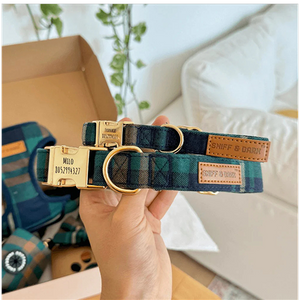
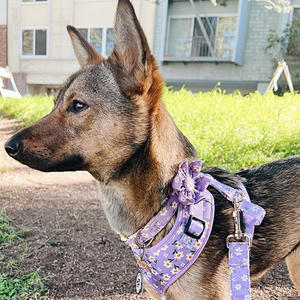
A properly fitted collar or harness is essential for your puppy's comfort and safety.
For collars: You should generally be able to comfortably fit two fingers between the collar and your puppy's neck. It should be snug enough that it won't easily slip over their head.
For harnesses: Make sure your puppy can move naturally without the straps rubbing or restricting their shoulders and legs.
🐾 Remember: Puppies grow quickly! Check their gear regularly and adjust the fit as needed.
Your puppy's first walk doesn't have to begin outside!
Before heading out, let your puppy practice walking around your home or in a secure area while wearing their leash.
Keep sessions:
Use treats, praise, or their favorite toy to encourage your puppy to follow you.
Don't expect perfect leash manners right away. You're simply teaching your puppy that being on a leash is a normal and positive experience.
When it's finally time for the real thing, remember:
Short and positive is better than long and overwhelming.
Your puppy is experiencing a lot of new things at once—cars, bicycles, people, other dogs, unfamiliar noises, and countless new smells.
Let your puppy take their time.
The goal isn't to reach a certain distance. For a young puppy, a walk is about exploring, learning, and building confidence.
One of the best parts of a walk for your puppy? Sniffing!
Dogs experience the world through their noses, and sniffing provides valuable mental stimulation.
Let your puppy investigate interesting smells and explore at their own pace.
Sometimes the best part of the walk is simply standing still while your puppy investigates one very important patch of grass for five whole minutes.
Don't worry if your puppy doesn't walk perfectly on their first attempt.
They might:
That's all part of learning!
Instead of expecting perfect leash manners immediately, focus on creating positive experiences.
Reward calm behavior and celebrate the small wins.
Pay attention to how your puppy is feeling throughout the walk.
Your puppy may be feeling overwhelmed if they:
If your puppy seems scared or overwhelmed, give them space and consider ending the walk.
It's perfectly okay to go home and try again another day.
Building confidence takes time, and every puppy develops at their own pace.
Before heading out, make sure you have everything you need for a successful adventure.
☐ Properly fitted collar or harness
☐ Secure leash
☐ Identification information
☐ Poop bags
☐ Treats for positive reinforcement
☐ Fresh water for longer outings
☐ Towel for rainy or muddy days
🐾 Pro tip: Check your puppy's collar or harness during the walk to make sure everything is still sitting comfortably.
Your puppy's first walk isn't about how far they can go—it's about discovering the world and building confidence.
Every new smell, sound, and experience is an opportunity to learn. Keep things positive, follow your veterinarian's guidance, and let your puppy explore at their own pace.
Some puppies will confidently march down the sidewalk. Others might take three steps, sit down, and decide they're done. Both are perfectly okay. 🐾
The most important thing is that your puppy learns that being outside with you is safe, positive, and exciting. And before you know it, they'll be ready for their next big adventure!
Find the right gear for your pup’s first walk!
👉 EXPLORE OUR GEAR
0 comments