Fall is one of our favorite times of year for dog walks.
The air is cooler, the leaves are changing, and there are plenty of new smells for curious noses to investigate. But along with all those cozy autumn moments come a few seasonal hazards that dog parents should keep on their radar.
Most are easy to avoid once you know what to look for.
Here are seven common fall hazards to watch for, plus a few simple ways to help keep your pup safe while they enjoy the season.
1. Wild Mushrooms
Fall weather can bring mushrooms popping up in yards, parks, trails, and wooded areas.
While some mushrooms are harmless, others can be toxic to dogs and can be difficult to tell apart. Curious pups who like to sniff, lick, or snack on things they find outside can get themselves into trouble quickly.
Our tip: Keep an eye on your pup during walks and discourage them from eating mushrooms or other unknown things growing outdoors.
If you think your dog has eaten a potentially poisonous mushroom, contact your veterinarian or a pet poison service right away.
2. Fallen Leaves & Yard Debris
A pile of leaves might look like the perfect place for a dog to dive, roll, and sniff. And honestly, we can't blame them.
The problem is that leaves can hide things underneath, including sticks, sharp objects, mushrooms, mold, or other things your dog shouldn't eat. Large amounts of leaves can also cause digestive problems if your pup decides they're part of the snack menu.
Our tip: Let your dog enjoy the smells and explore, but keep an eye on what they're actually putting in their mouth.
3. Halloween Treats
Halloween is fun for humans and potentially very confusing for dogs.
Chocolate, sugar-free candy containing xylitol, raisins, and certain other sweets can be dangerous for dogs. Even candy wrappers can cause problems if swallowed.
And while pumpkins themselves can be perfectly fine for many dogs in moderation, decorative pumpkins may be painted, treated, or covered with materials that aren't meant to be eaten.
Our tip: Keep Halloween treats somewhere your pup can't reach, and make sure everyone in the household knows which goodies are off-limits.
4. Antifreeze & Other Automotive Fluids
As temperatures start to drop, antifreeze becomes an important hazard to know about.
Antifreeze can be extremely dangerous to dogs, and even small amounts can cause serious poisoning. Spills or leaks around garages, driveways, and parked cars can be particularly concerning.
Our tip: Store automotive products securely and clean up any spills immediately. During walks, keep your pup away from suspicious puddles or liquid around parked vehicles.
5. Acorns, Nuts & Autumn Plants
Autumn brings plenty of tempting things for curious pups to investigate, from acorns and fallen nuts to seasonal plants and berries.
Eating large quantities of acorns or other hard objects can cause stomach upset or digestive problems, while some nuts and plants can be toxic to dogs.
Our tip: Keep your pup moving when they become particularly interested in collecting nature's snacks, and check that any plants you bring into your home or yard are pet-safe.
6. Fleas, Ticks & Wildlife
Cooler weather doesn't necessarily mean the end of outdoor pests and wildlife encounters.
Fleas and ticks can remain active well into fall, depending on where you live. Leaf piles, tall grass, wooded trails, and other outdoor areas can still provide plenty of opportunities for unwanted hitchhikers. Your pup may also encounter squirrels, rodents, snakes, or other animals while exploring.
Our tip: Continue checking your pup after outdoor adventures and follow your veterinarian's recommendations for flea and tick prevention. Keep your dog close and supervised in areas where wildlife is common.
7. Cooler Temperatures
Fall temperatures can change quickly, especially in the evening.
Some dogs are perfectly comfortable in cooler weather, while puppies, senior dogs, smaller dogs, and dogs with thinner coats may feel the chill sooner.
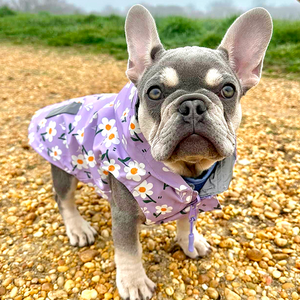
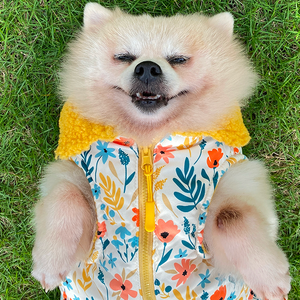
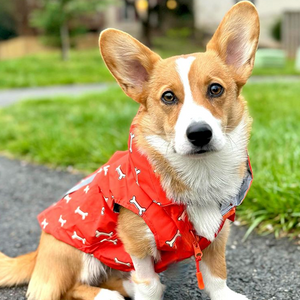
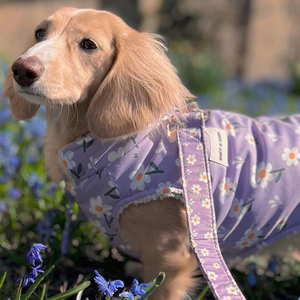
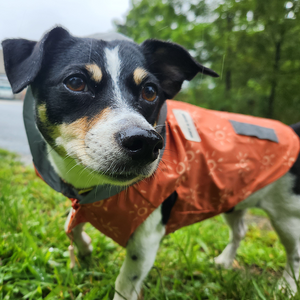
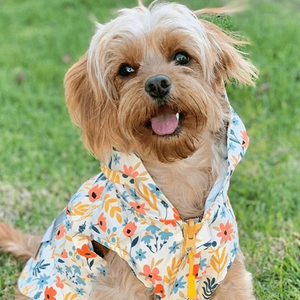
A cozy layer can help make chilly walks more comfortable when temperatures start dropping.
Our tip: Pay attention to your dog's body language. If they're shivering, reluctant to walk, lifting their paws, or trying to head home, it may be time to warm up.
🍂 Keep the Good Parts of Fall
Autumn should be about sniff-filled walks, crunchy leaves, cozy naps, and enjoying a little extra time together.
You don't need to worry about every leaf your dog sniffs or every mushroom you pass. Just knowing what to look out for can make it easier to enjoy the season with confidence.
So grab the leash, layer up if needed, and let your pup enjoy those cool-weather adventures.
Happy fall, and happy sniffing! 🐾
If you believe your dog has eaten something potentially toxic or dangerous, contact your veterinarian or a pet poison service promptly. This article is for general educational purposes and isn't a substitute for veterinary advice.