Walks are supposed to be the best part of your dog’s day.
Fresh air, new smells, time together.
But for a lot of dog parents, it can feel more like a struggle than a stroll.
If your walks feel chaotic, you’re not alone. Here are the most common walking problems and simple fixes you can start using right away.
1. Pulling on the leash
This is the most common issue.
Dogs pull because they’re excited, overstimulated, or simply moving faster than we are.
Easy fix:
Pause the moment the leash gets tight. Only continue walking when there’s slack again. This helps your dog learn that pulling doesn’t move them forward.
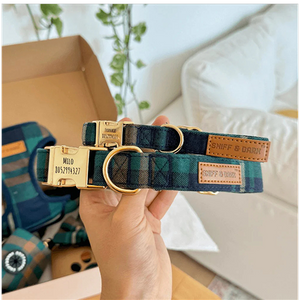
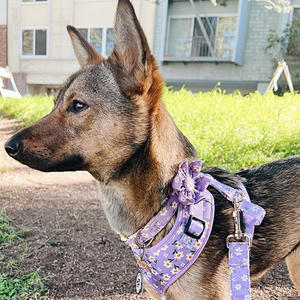
For dogs that are stronger pullers, using a front-clip attachment (front D-ring on a harness) can make a big difference. It gently redirects their momentum back toward you instead of allowing them to surge forward, making walks easier to manage while you work on training.
2. Stopping every few steps
Some dogs refuse to move or constantly pause during walks.
This can be due to curiosity, uncertainty, or sensory overload.
Easy fix:
Stay patient and avoid rushing them. Give them a few seconds to process their surroundings, then encourage forward movement with calm praise or a small reward.
3. Reacting to other dogs or people
Barking, lunging, or intense reactions can make walks stressful.
Easy fix:
Distance is key. Step away before your dog reaches their threshold. Reward calm behavior early, not after they’ve already reacted.
4. Zig-zag walking and distraction overload
Sniffing everything and constantly changing direction is normal dog behavior, but it can feel chaotic.
Easy fix:
Balance freedom and structure. Allow sniffing breaks, but gently guide short moments of focused walking beside you.
5. Pulling right at the start of the walk
That excited rush out the door often sets the tone for the entire walk.
Easy fix:
Pause before leaving. Wait for calm behavior (no jumping, no pulling) before opening the door. This helps reset their excitement before the walk even begins.
Final thoughts
Most walking struggles aren’t bad behavior.
They’re communicating.
And once you start understanding what your dog is trying to tell you, everything becomes easier.
With the right guidance, consistency, and simple tools like a well-fitted gear, walks can become calmer, more enjoyable, and more connected 🐶