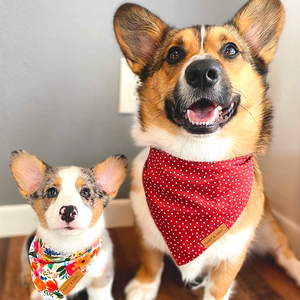
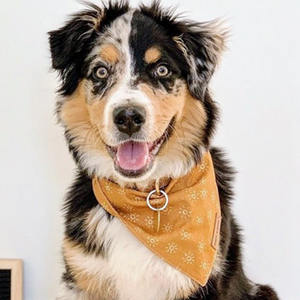
Your dog might not be able to say, “Hey, something feels a little off,” but they’re actually giving you clues all the time.
A change in their gums, coat, ears, eyes, or even the way their body feels can tell you quite a bit about how they’re doing. And because you know your pup better than anyone, you’re often the first person to notice when something seems different.
The good news? You don’t need to be a dog expert to do a few simple checks at home.
Here are five things worth keeping an eye (and a hand!) on.
1. Their Gums Reveal a Lot
Your dog's gums are one of the quickest ways to get a glimpse of their overall health.
Gently lift their lip and take a look. For most dogs, healthy gums are a nice bubblegum pink, though some pups naturally have darker spots or pigmentation, which can be completely normal. The key is knowing what's normal for your dog. You can also press a finger gently against a pink area. The spot should briefly lighten, then return to its normal color within a couple of seconds.
Worth a vet call: gums that look unusually pale or white, blue, yellow, or very red, or that are slow to return to their normal color after gentle pressure.
2. Their Coat and Skin Can Give You Clues
A healthy coat generally looks smooth and reasonably shiny for your dog's breed, with comfortable skin underneath and no widespread redness or irritation.
Dogs shed (a lot!), and some extra shedding during seasonal changes is perfectly normal. What you want to watch for are unusual changes: a coat that suddenly looks dull or dry, bald patches, flaky skin, greasy fur, redness, or your dog obsessively scratching or licking one spot. The causes range from allergies and parasites to skin irritation, so if things look different and don't settle, check with your vet.
Bonus: regular brushing and cuddles make it much easier to notice these little changes in the first place. 😉
3. Their Ears Can Signal Trouble Early
Give your dog's ears a quick look and, yes, even a little sniff. Healthy ears are generally fairly clean without a strong or unpleasant smell.
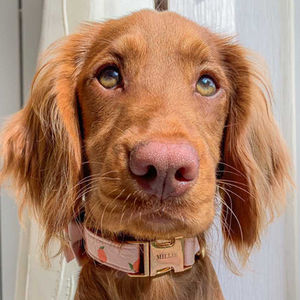
If your pup has floppy ears, make ear checks part of your routine. Those adorable flaps mean less airflow, which can make some dogs more prone to problems.
Worth watching: redness, swelling, lots of dark waxy buildup, an unusual smell, frequent head shaking, or constant scratching. A little occasional scratch is no cause for panic, but if your pup suddenly seems bothered by their ears, it’s worth paying attention.
4. The “Ribs and Waist” Weight Check
This one you can do while giving some scratches. Gently run your hands along your dog's sides. You should be able to feel their ribs without pressing hard, but not necessarily see them.
Then look from above: you should notice a little tuck behind the ribs where their waist comes in.
Can't feel the ribs, or the waist has disappeared? They may be carrying extra weight. Ribs and spine very prominent? They may be underweight.
Every dog is built differently (a Greyhound and a Bulldog aren't the same shape!), so if you're unsure, your vet can help you find what's healthy for their breed, age, and build. A healthy weight makes a big difference for their joints, mobility, and overall health.
5. Their Eyes Tell a Story
Those puppy-dog eyes aren't just adorable, they're informative too. Healthy eyes are generally clear, bright, and moist, without significant redness or discharge.
Worth a vet call: noticeable redness, cloudiness, excessive tearing, heavy or unusual discharge, squinting, or repeated pawing at the eyes. If one eye suddenly looks different from the other, pay attention to that too.
Eye issues can change quickly, so when something looks off, it's better to have it checked than to wait and see.
And Don’t Forget: You Know Your Dog Best
This is the most important one on the whole list.
You know how excited they get when you grab the leash, how much they normally eat, how they walk, how they sleep, and all the funny little habits that make them them.
So when something suddenly feels different, trust that instinct.
Maybe your playful pup is unusually quiet, eating less, sleeping more, or just seems a little off.
You might not know exactly what's wrong, but noticing the change is what matters. These checks aren't about turning you into a vet. They're just little ways to stay familiar with your pup and catch things sooner.
Because sometimes your dog's body is trying to tell you something before they ever show an obvious sign.
And when in doubt, give your vet a call. ❤️
This article is for general informational purposes and is not a substitute for professional veterinary advice. If you’re concerned about your dog’s health or notice a sudden or significant change, please contact your veterinarian.